4 hr
Costa Brava Catamaran Cruise with BBQ & Drinks
- Entry ticket
- Mobile voucher
- Valid same day
- Free cancellation
Lloret de Mar Boat Trips — Costa Brava by Sea
Glass-bottom hulls over coves, rugged cliffs port to port
Compare fares, pick the fit — all bookings are mobile-voucher and eligible for free cancellation where shown.
4 hr
4 hr
2 hr
Lloret de Mar boat trips are sold by independent operators from Port de Lloret rather than a single ticket office, so the real choice is trip type rather than access level: standard sightseeing cruise, glass-bottom or dolphin-watching trip, sunset cruise, or private boat hire. Each covers a different stretch of Costa Brava coastline, so picking the right one matters more than shaving a few euros off the price.
| Sightseeing Cruise (Fixed Route) |
Top pick Glass-Bottom/Dolphin Trip (Marine Viewing) |
Private Boat Hire (Custom Route) | |
|---|---|---|---|
| Trip type | Coastal sightseeing cruise | Glass-bottom or dolphin-watching excursion | Chartered private boat |
| See tickets & prices |
Verdict: First-timers who want the clearest sense of the Costa Brava coastline in one short outing should choose the glass-bottom or dolphin-watching trip, while those wanting a fully flexible lloret de mar boat trips tour should book a private hire direct with a harbor operator.
They serve different goals, so most people pick based on what they want to see: coastal cruises for the calas and cliffs, dolphin trips for open-water wildlife — and many Costa Brava visitors who compare lloret de mar boat trips options end up booking one of each rather than choosing just one.
|
Top pick Lloret de Mar Boat Cruise |
Dolphin-Watching Boat Trips | |
|---|---|---|
| What you see | Coves, cliffs, Lloret bay coastline | Wild dolphins, open Mediterranean waters |
| Distance from shore | Close to shore, hugs the coastline | Further offshore, deeper waters |
| Duration | 1–2 hours | 2–3 hours |
| Motion/seasickness risk | Low — calm, sheltered waters | Moderate — open sea swell possible |
| Best for | Sightseeing, photos of calas, couples/families | Wildlife spotting, nature-focused visitors |
| Typical price range | 15–25 EUR per adult | 35–45 EUR per adult |
| See tickets & prices |
Verdict: Choose the coastal cruise for calm, scenic sightseeing along Lloret's calas, and the dolphin trip if spotting wildlife in open water matters more to you than a smooth ride.
Hand-picked experiences loved by thousands of travelers
9 hours
Free Cancellation
Sail past dramatic cliffs and explore medieval Tossa de Mar on this coastal adventure from Barcelona
3 hours
Free Cancellation
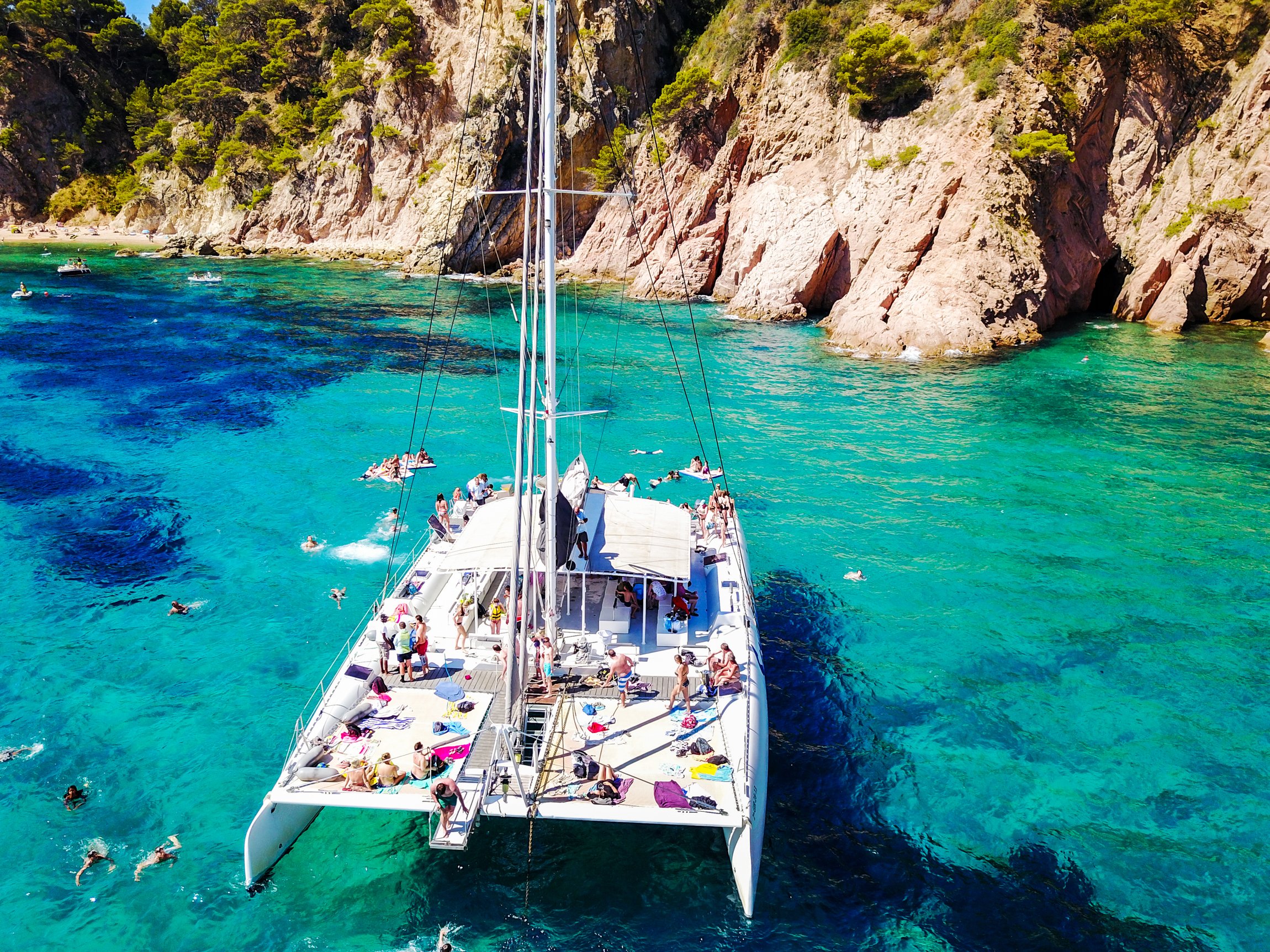
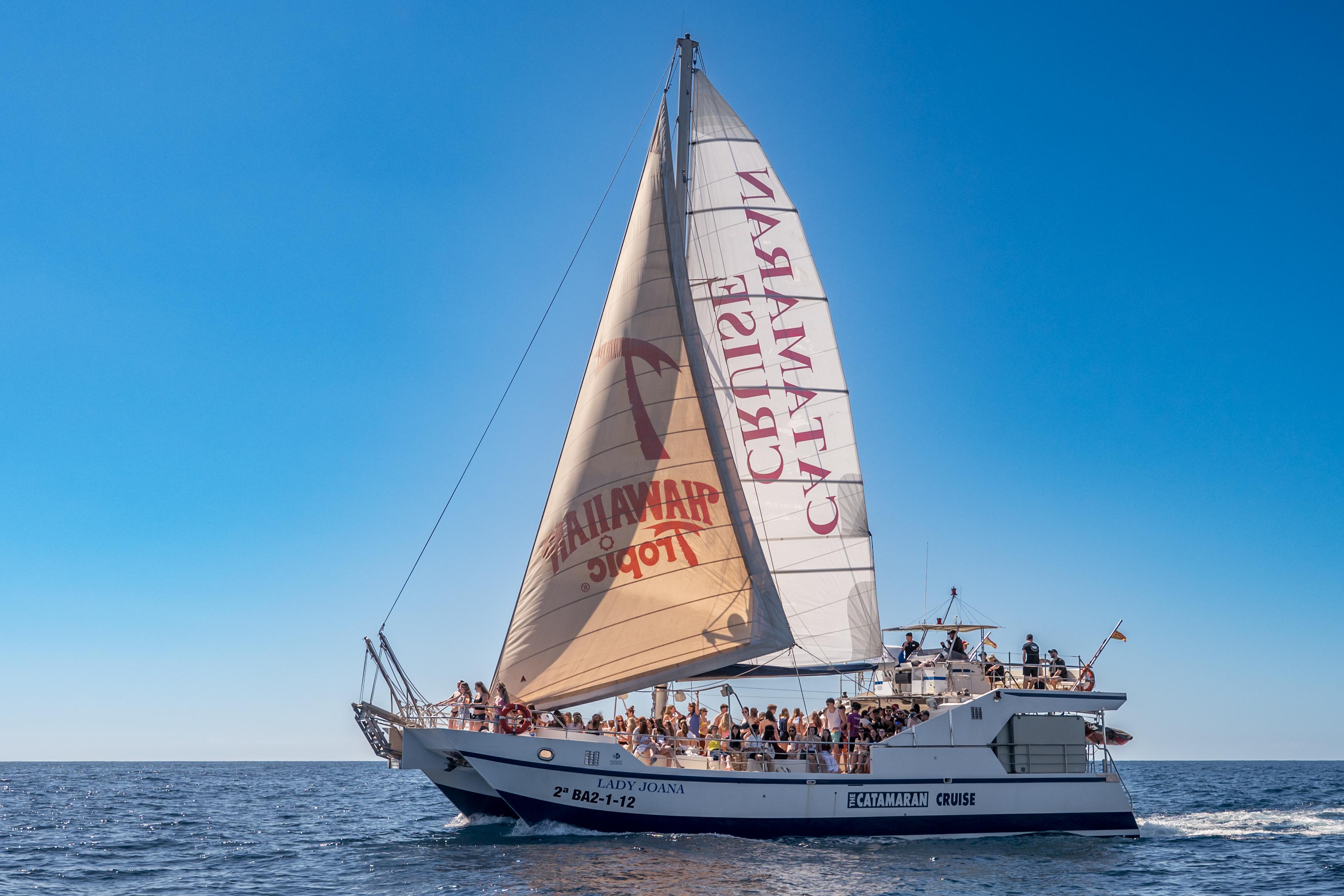
Three-hour sailing adventure with unlimited drinks, freshly grilled food, water sports, and onboard entertainment
2 hours
Free Cancellation
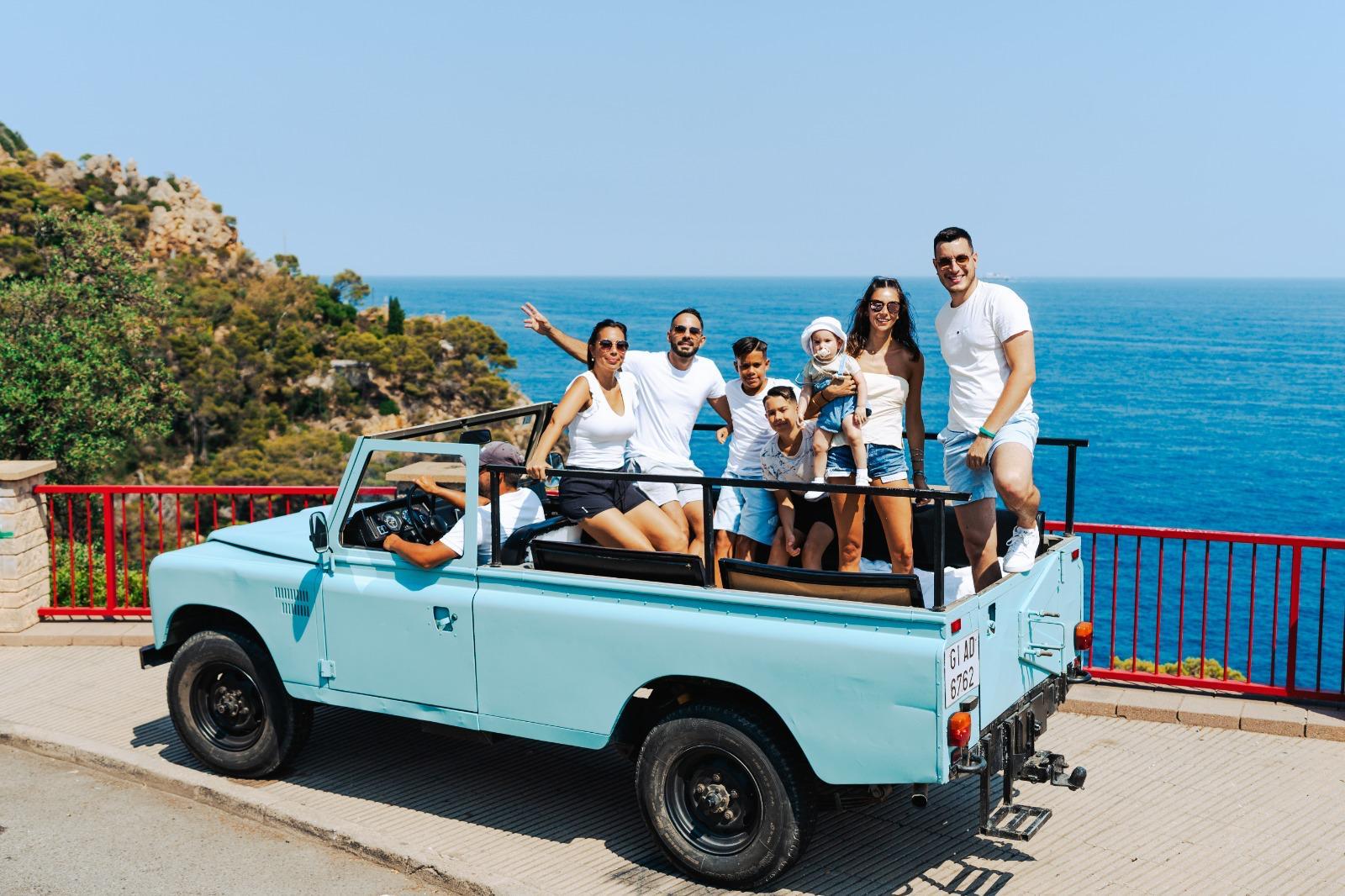
Explore Lloret de Mar's coastline and hidden landmarks in a classic Land Rover Santana
1 hour 30 minutes
Free Cancellation
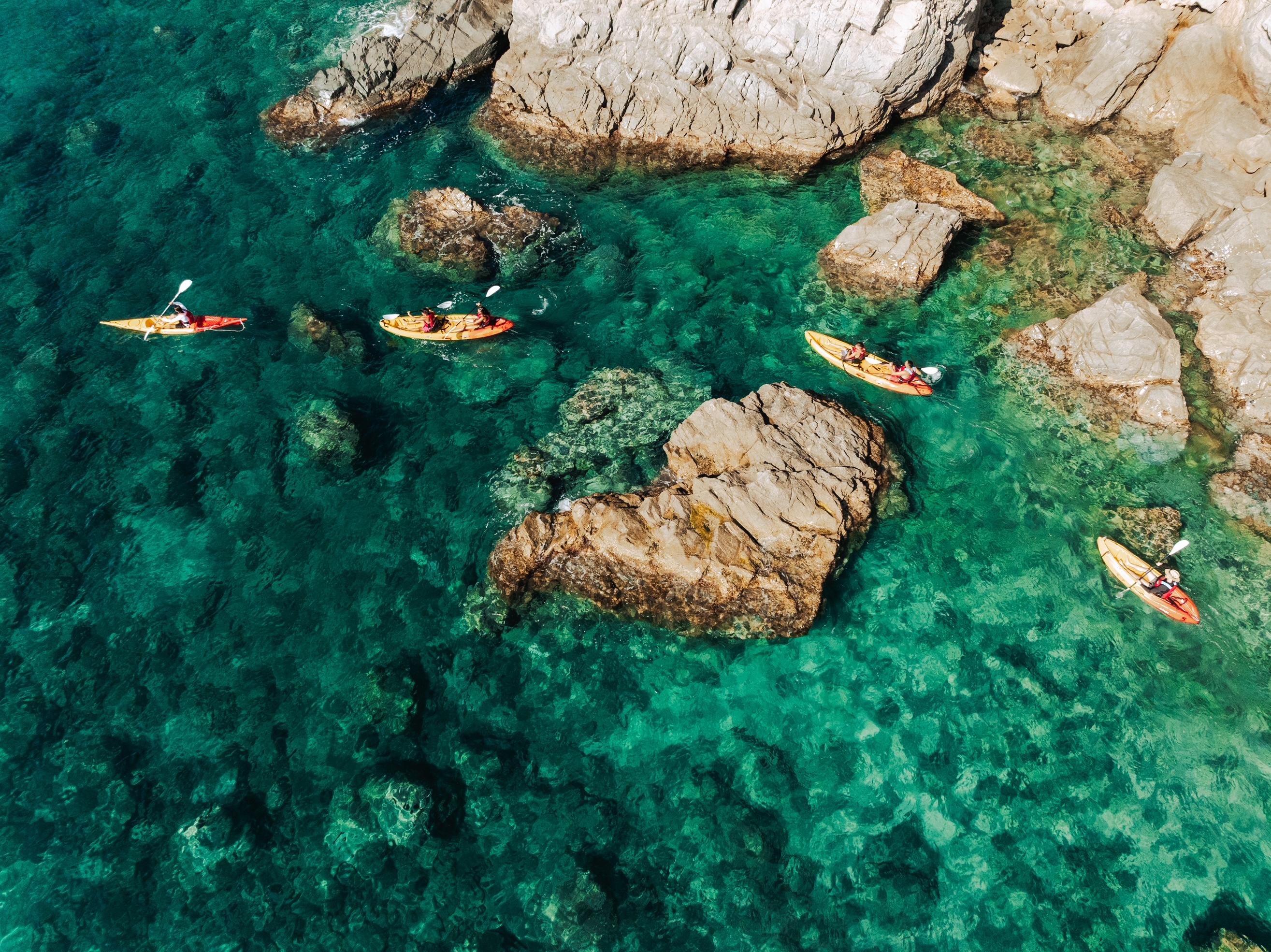
Explore hidden coves and turquoise waters at your own rhythm from one of Tossa de Mar's most stunning beaches.
2 hours
Free Cancellation
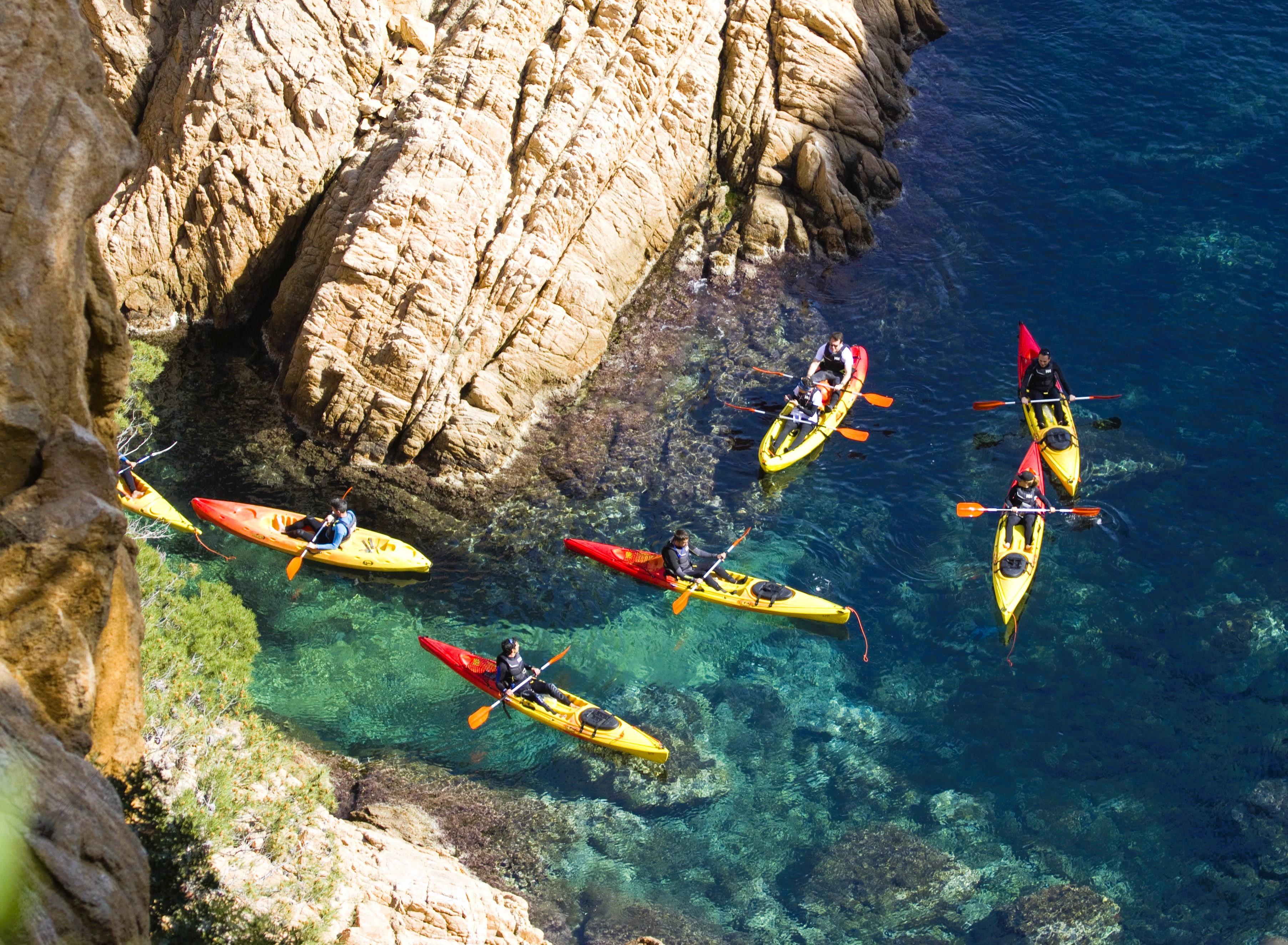
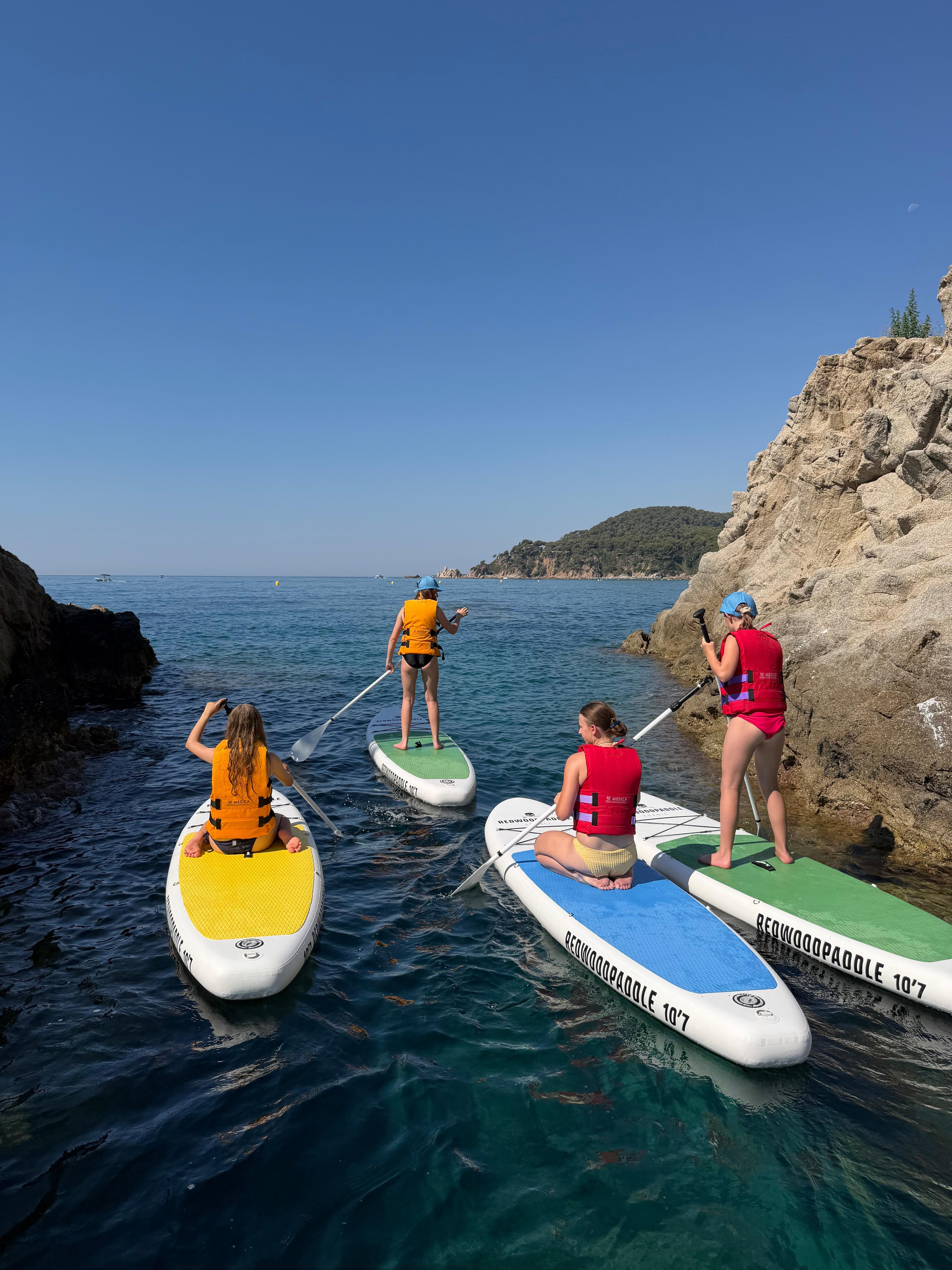
Paddle along dramatic cliffs and snorkel in crystal-clear coves on this beginner-friendly coastal tour.
10 hours
Free Cancellation
Explore Catalonia's breathtaking coastline with a guided small-group excursion to historic villages and hidden beaches
1.5 hours
Free Cancellation
Glide over crystal-clear Mediterranean waters, explore hidden coves, and snorkel along vibrant coastlines.
3 to 8 hours (flexible)
Free Cancellation
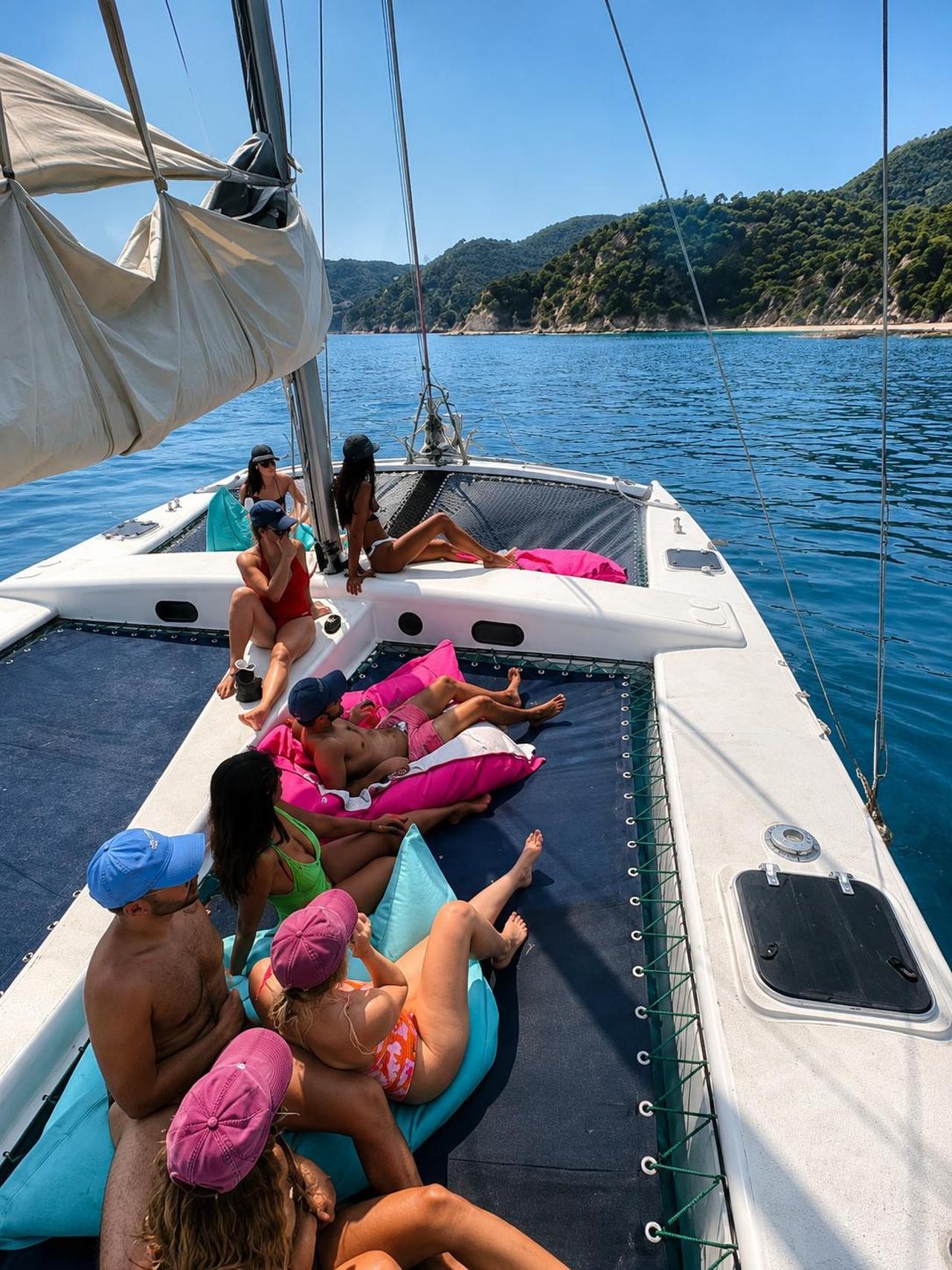
Sail the Mediterranean on your own catamaran, exploring secluded coves and caves with drinks included
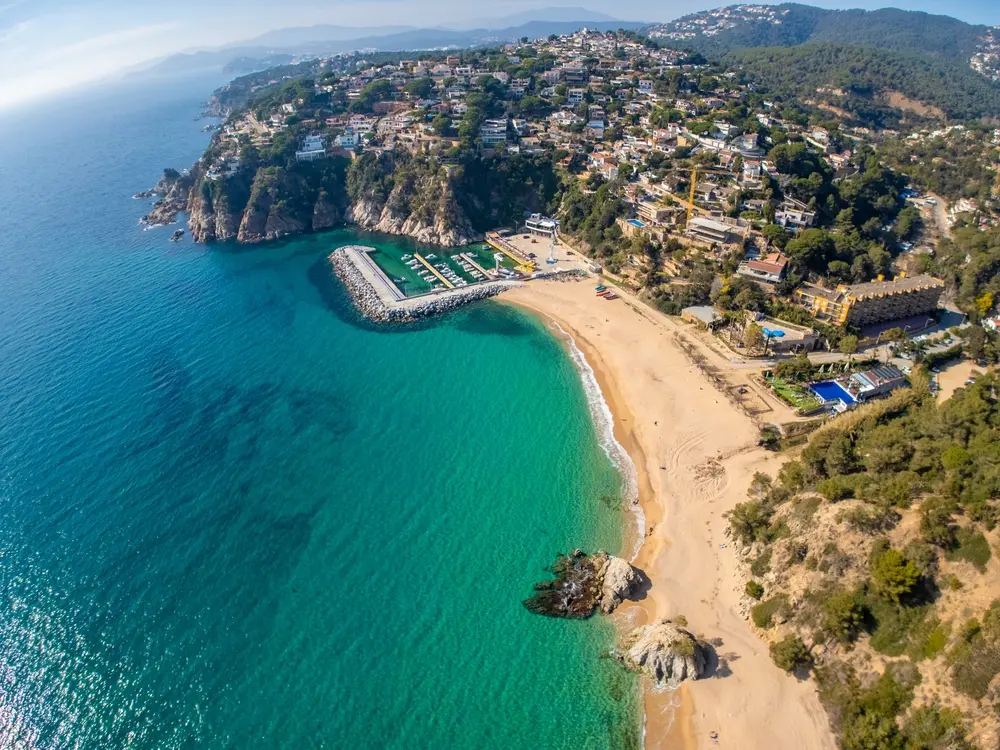
The main departure pier along Passeig Jacint Verdaguer hosts most boat trip operators side by side, with roughly a dozen companies running daily departures in peak season. Its position between Lloret Beach and Sa Caleta cove makes it the central hub for coastal excursions.
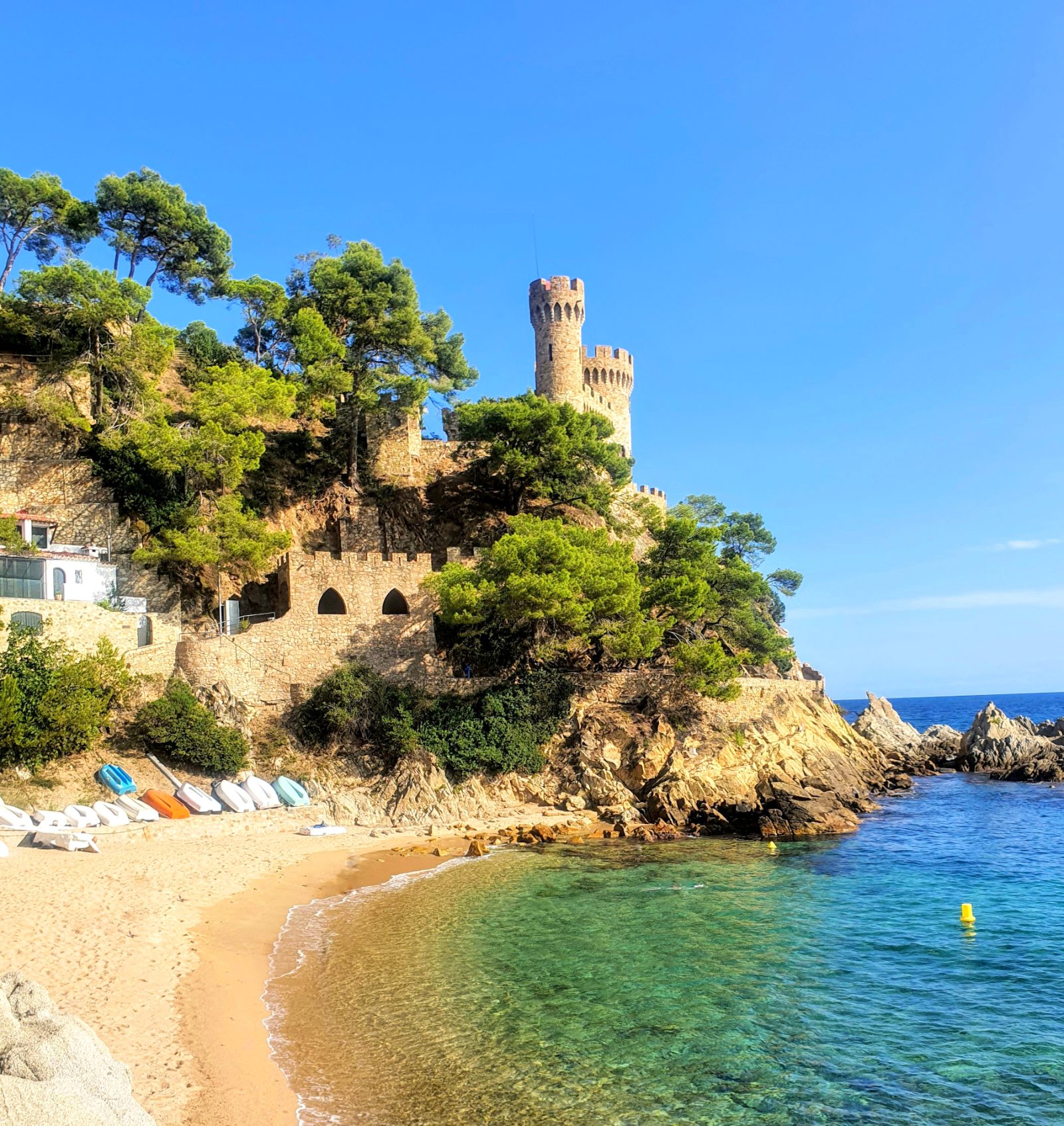
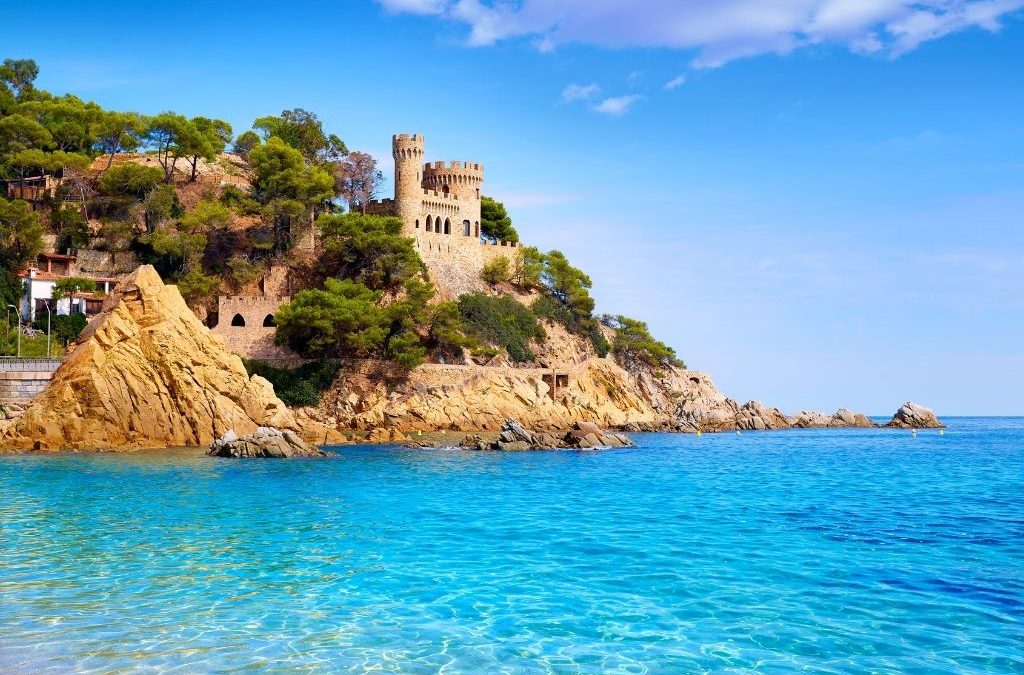
Boats departing north pass close to Sa Caleta, a narrow rocky cove overlooked by the Castell d'en Plaja tower, built in the early 1900s. The cove's clear turquoise water is a common first swim stop for shorter excursions.
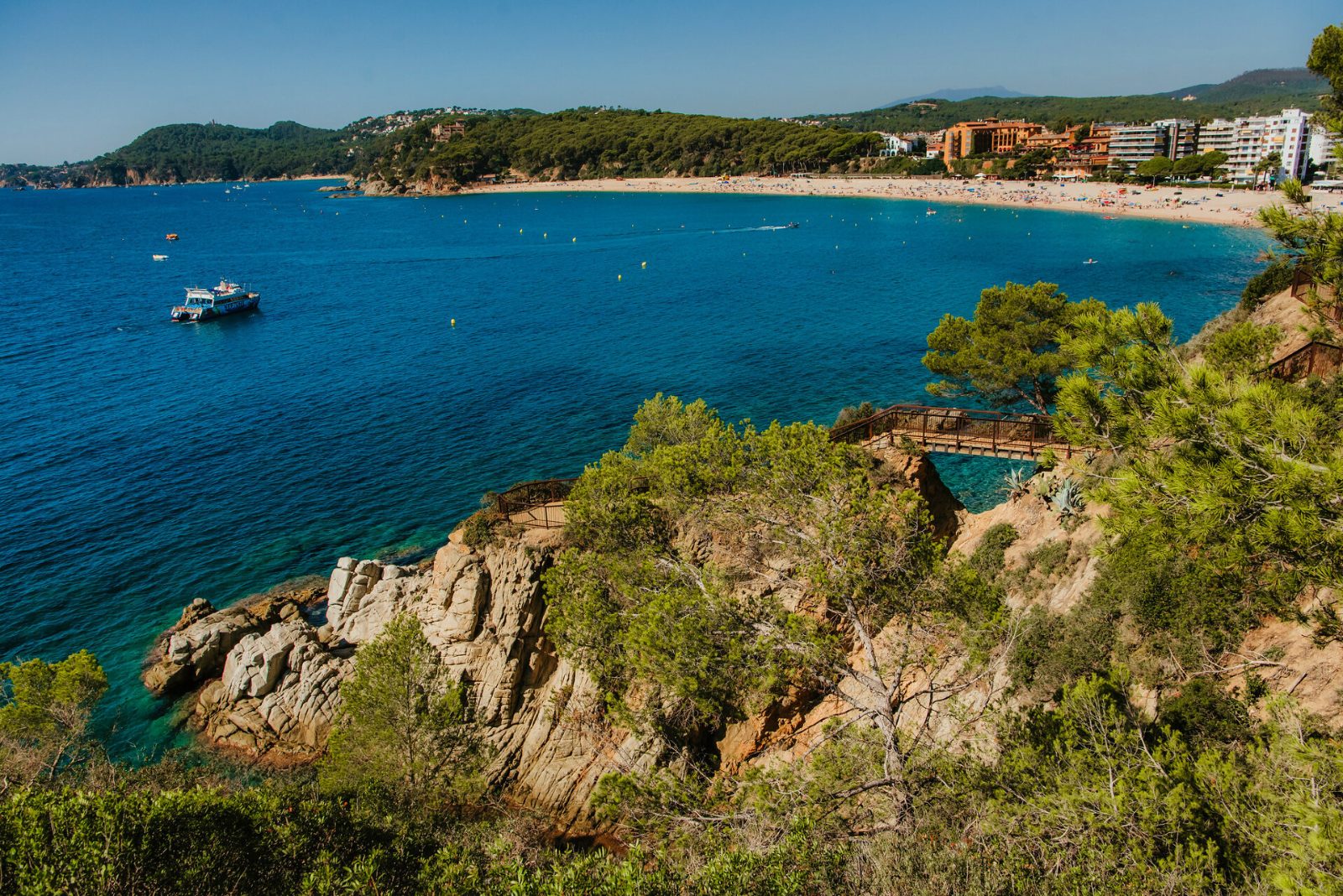
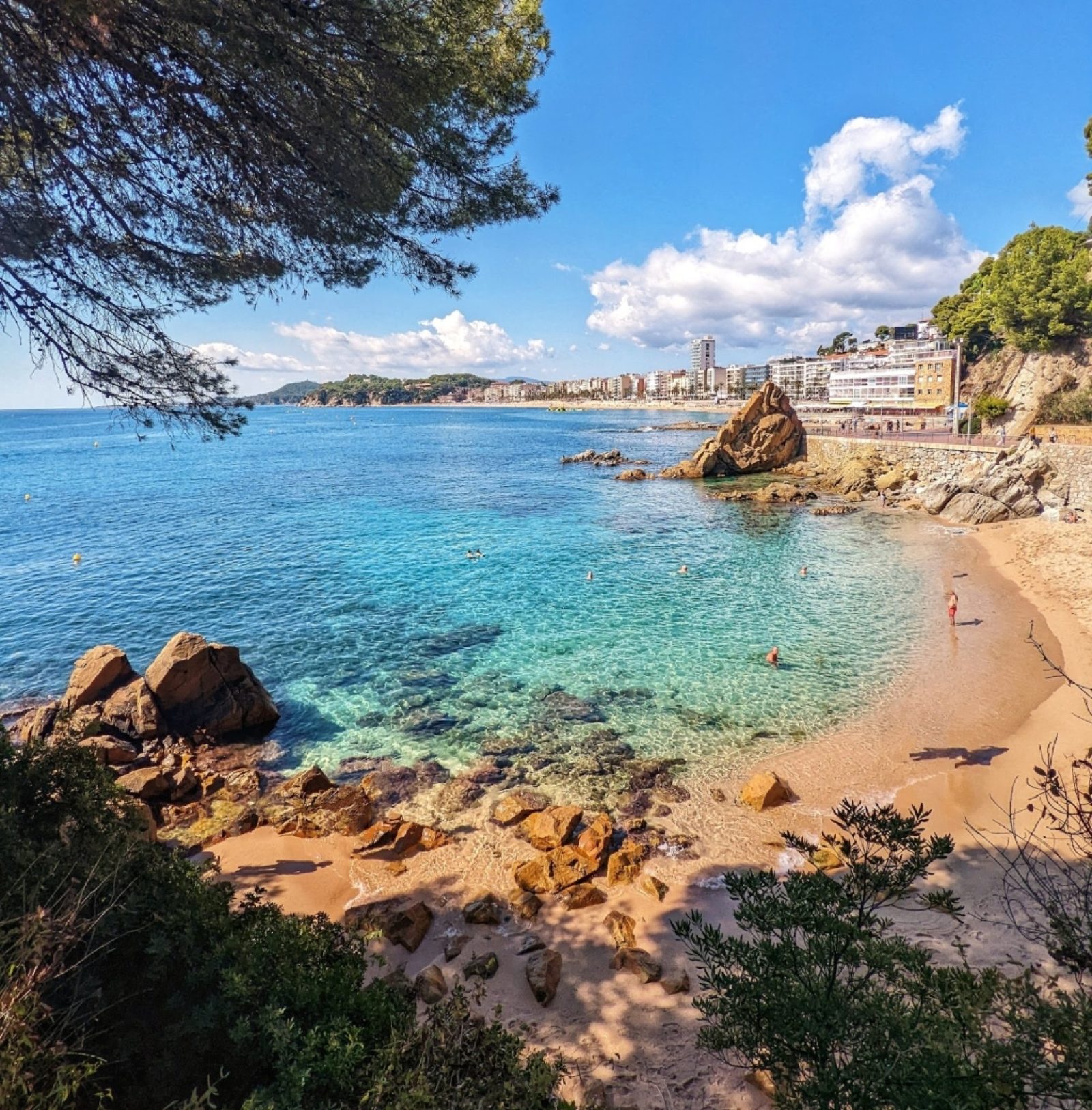
Many glass-bottom and catamaran routes swing past Fenals Cove, a pine-backed bay roughly 1.5 km from the main harbor. The shallow, sheltered water here makes it a frequent stop for snorkeling on family-oriented boat trips.
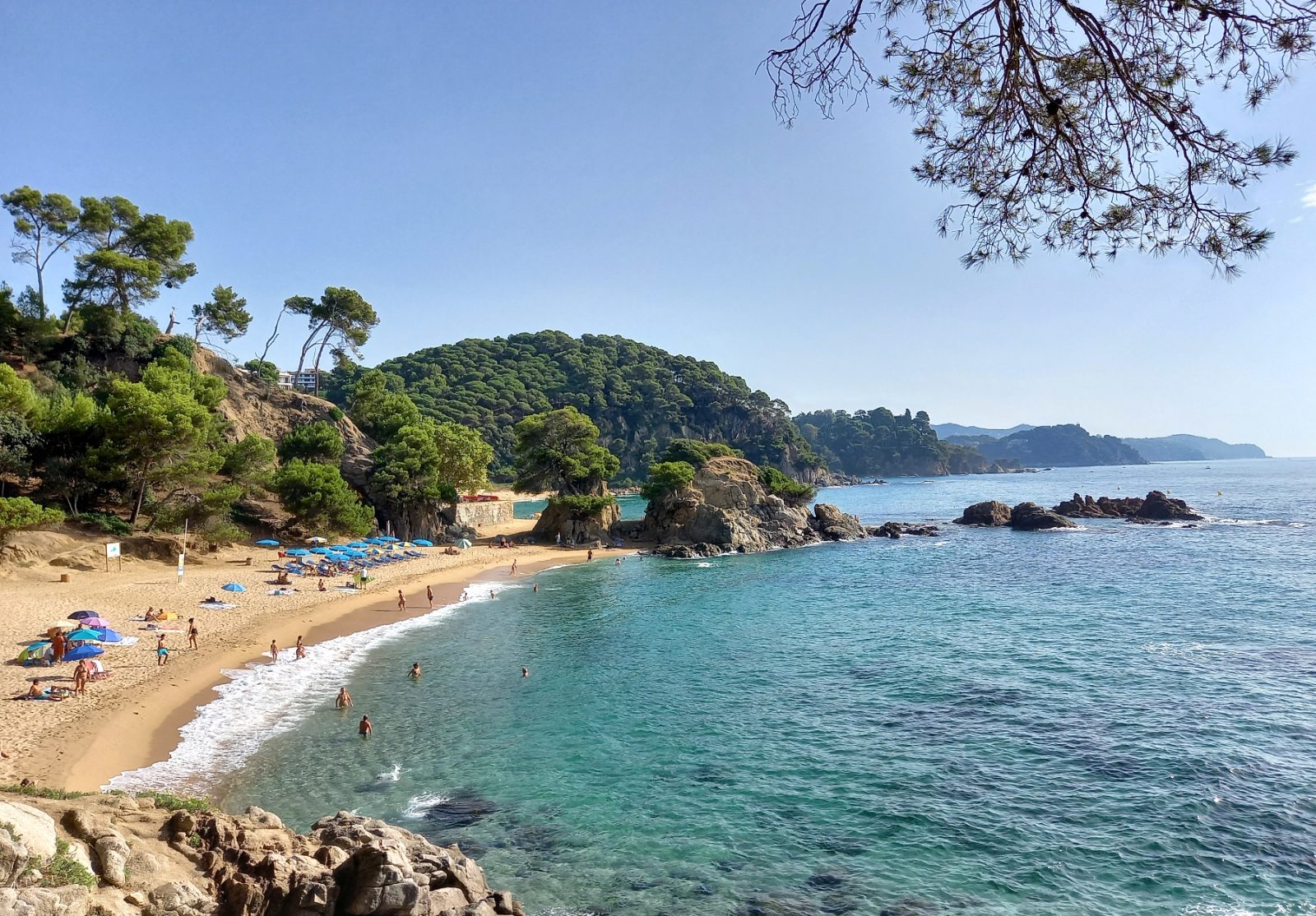
Several longer boat trip routes reach Santa Cristina, a cove framed by pine forest and a small chapel dating to the 18th century above the shoreline. It is often cited as one of the calmer, less crowded swim stops along the route.
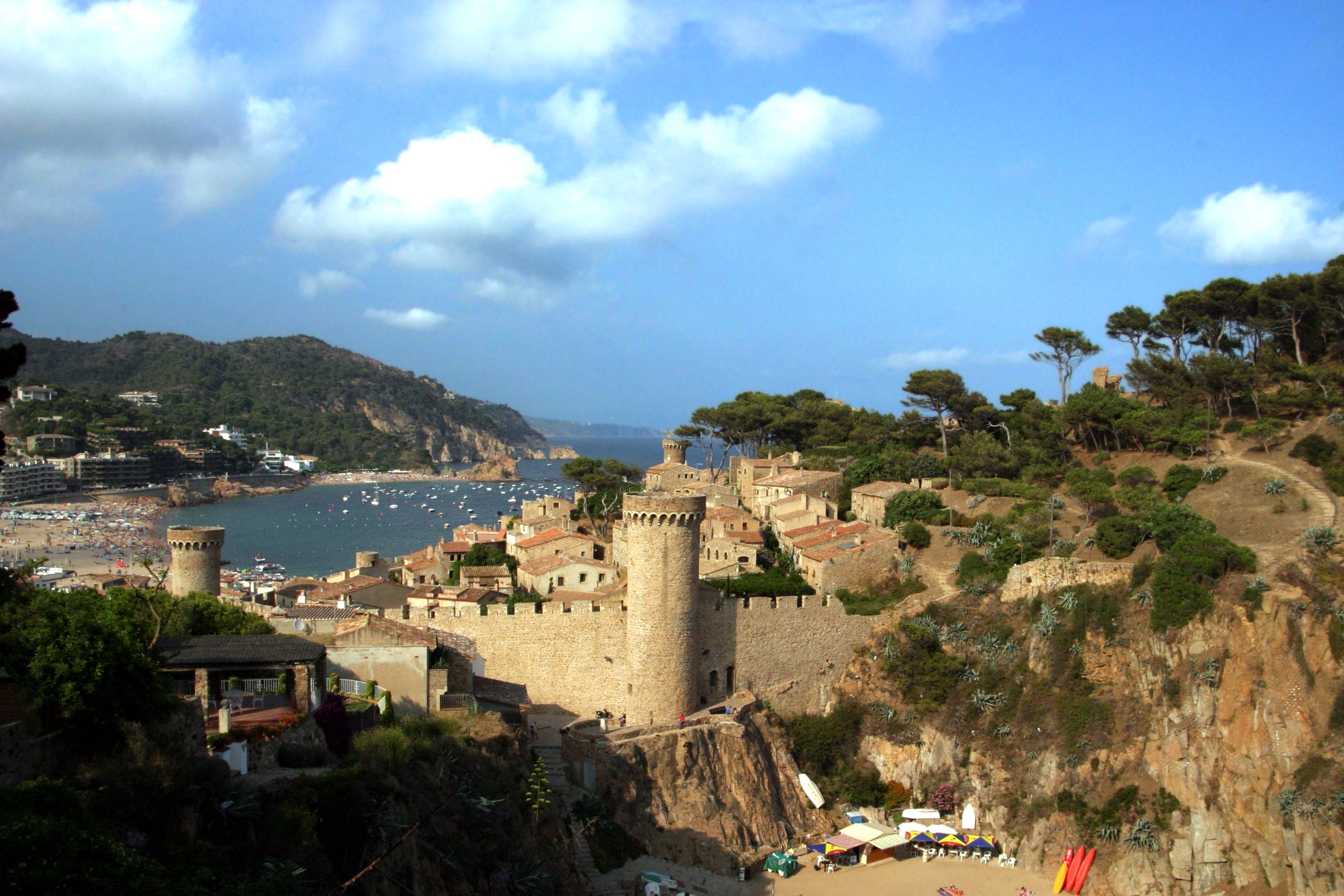
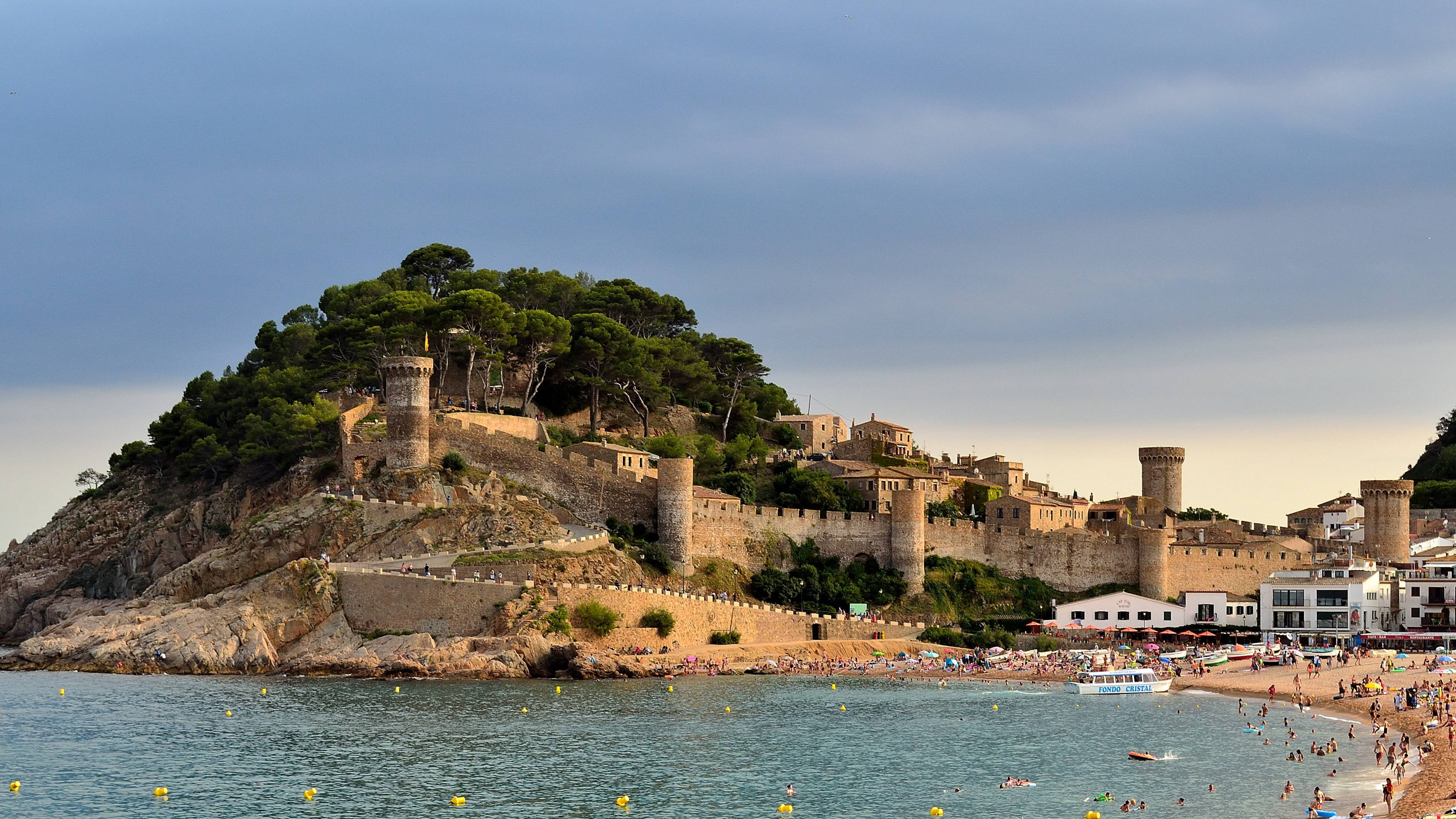
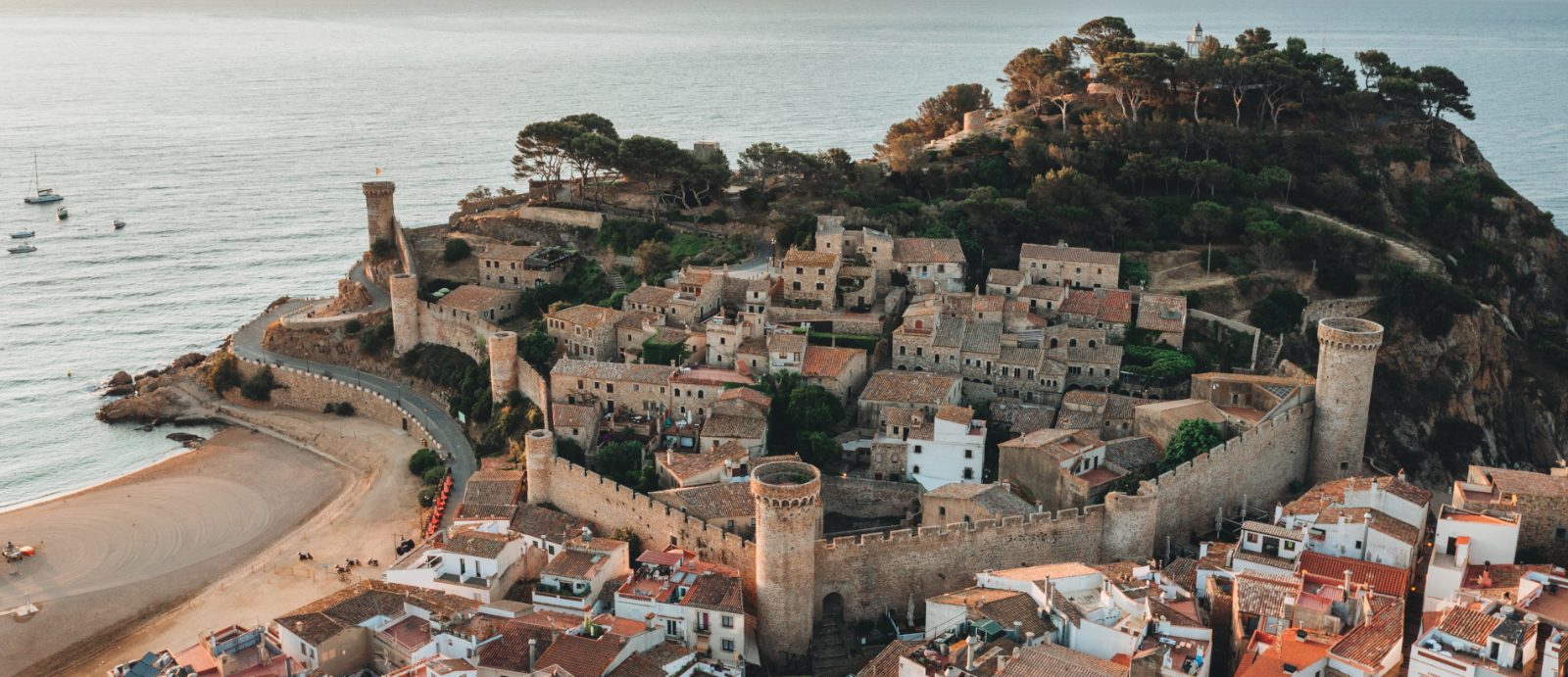
Longer excursions sail roughly 6 km south to approach the walled old town of Tossa de Mar, with its 12th-century Vila Vella fortifications visible from the water. This stretch of coastline is frequently highlighted as the scenic highlight of full-day boat trips.
All the details about your upcoming adventure in one place
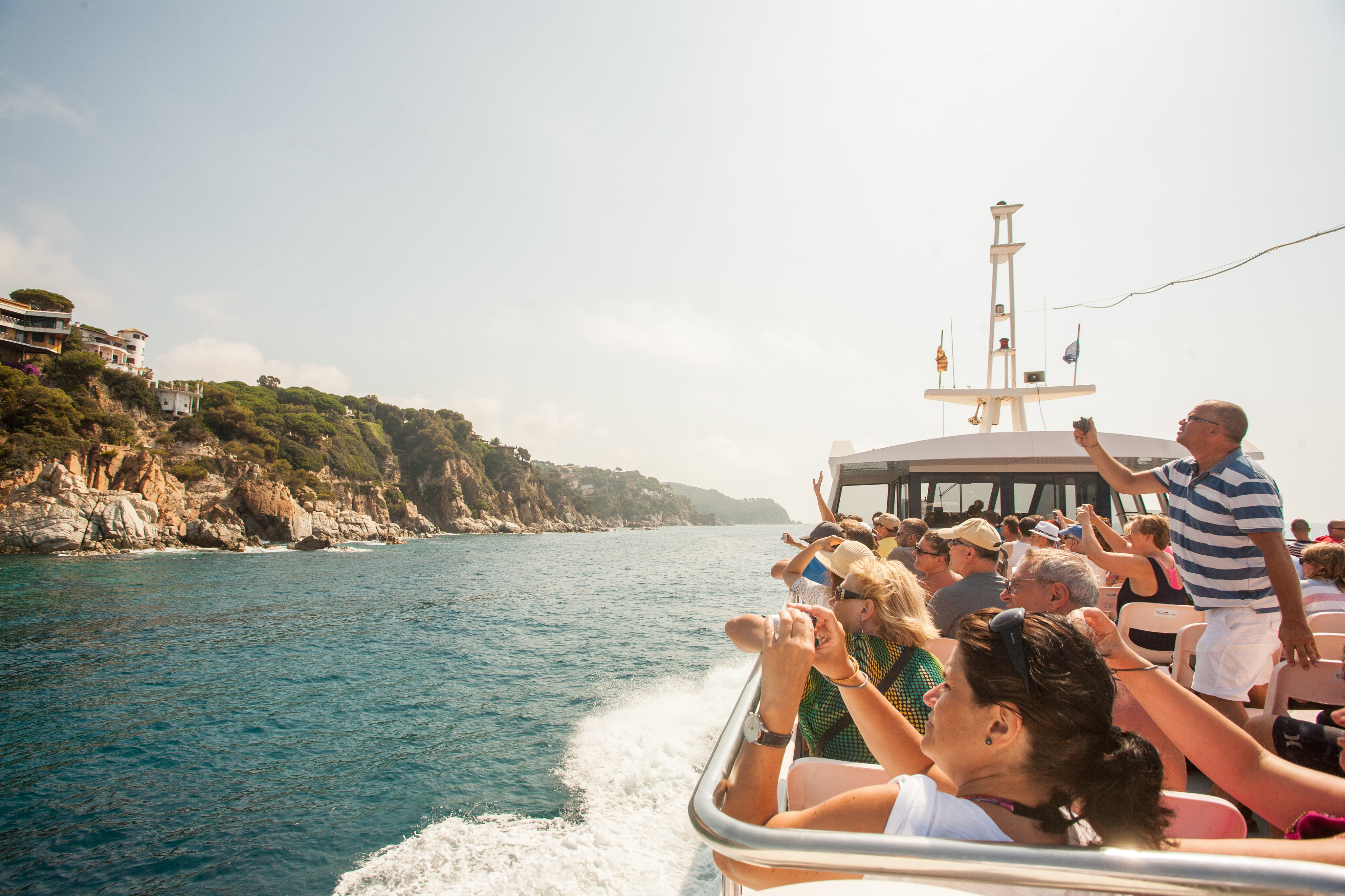
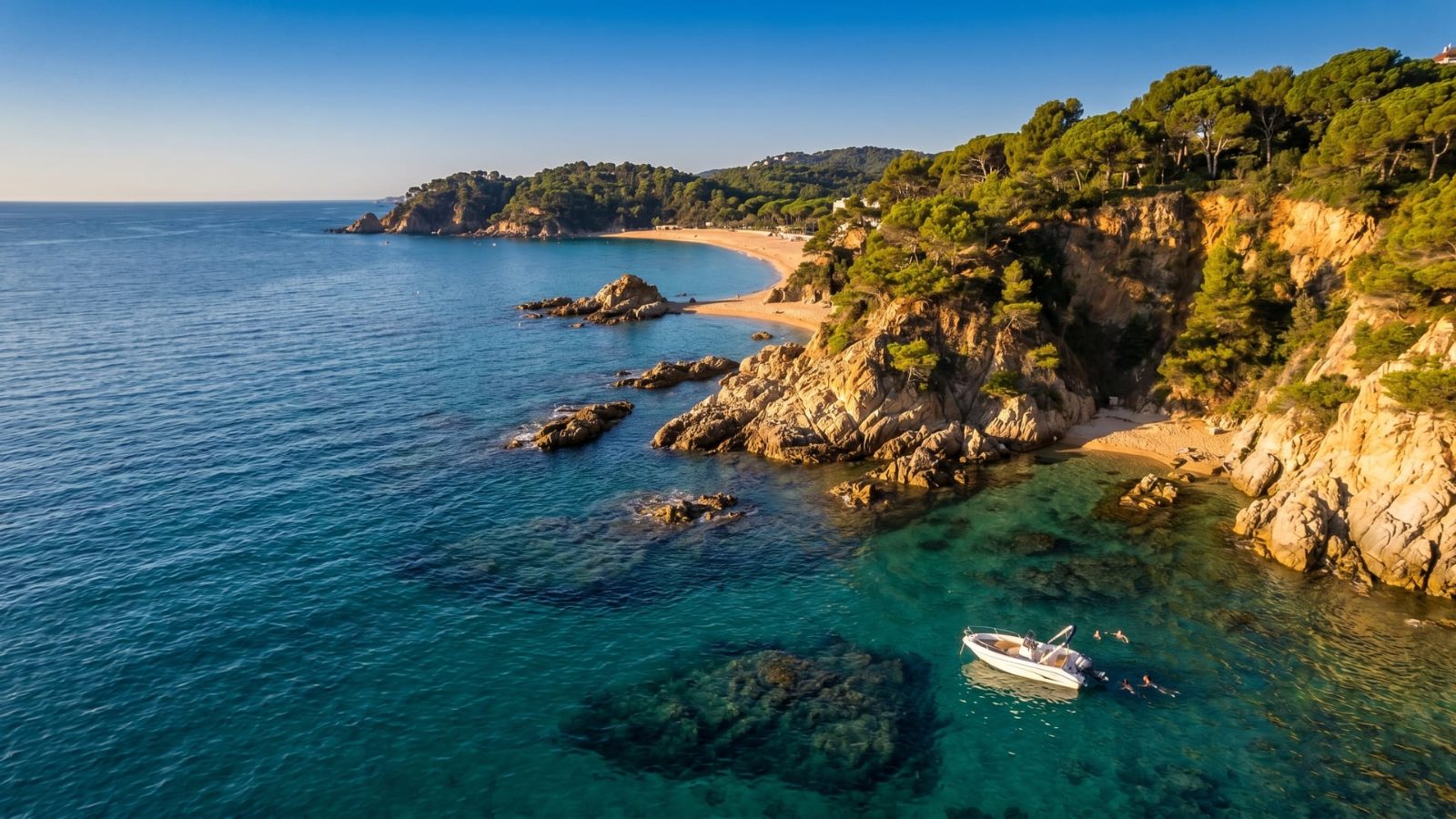
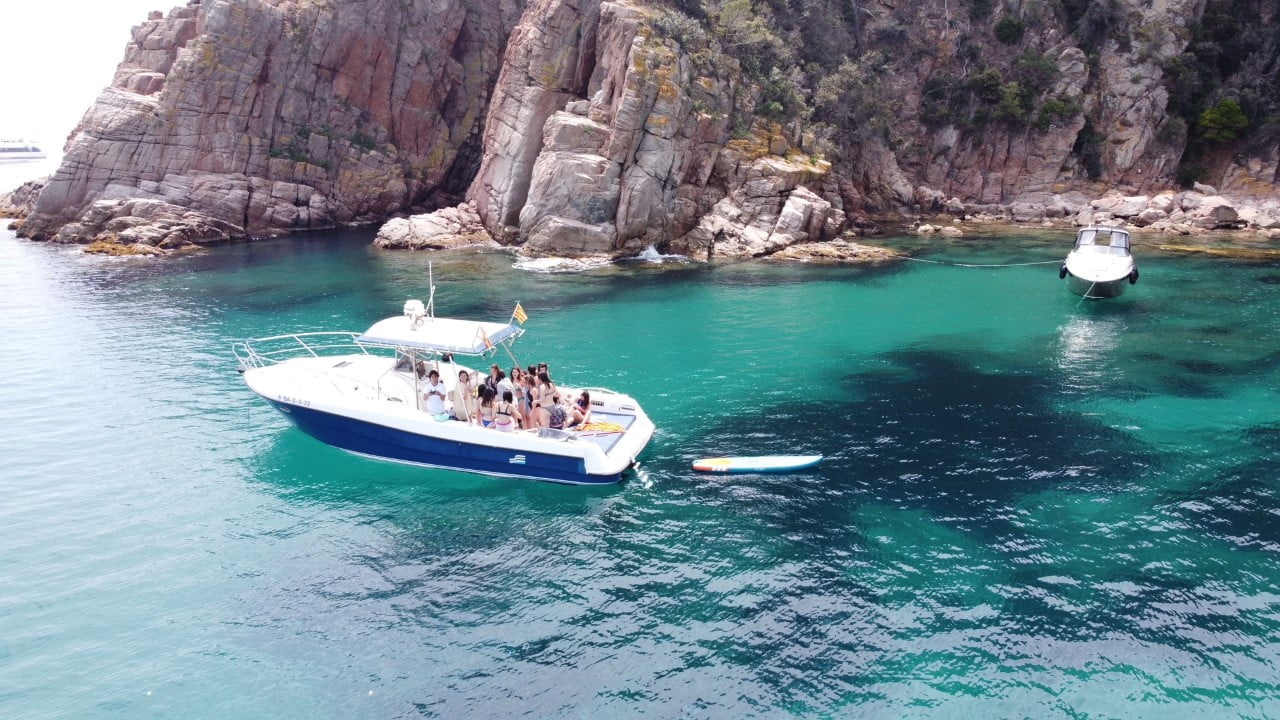
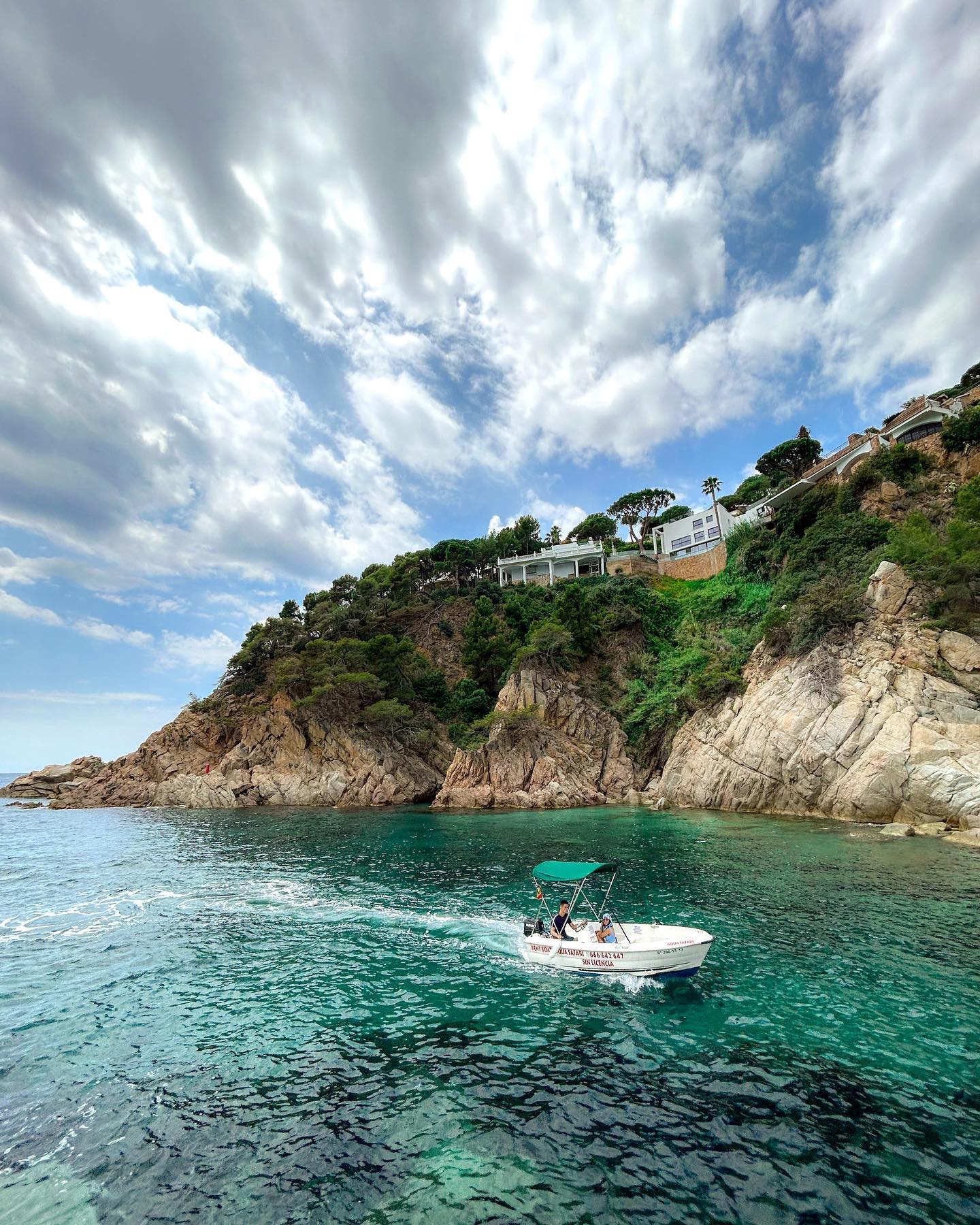
Lloret de Mar boat trips explore the rugged Costa Brava coastline, offering access to secluded coves, crystal-clear waters, and dramatic cliffs between Tossa de Mar and Blanes. Most lloret de mar boat trips tours depart from the town's marina and include stops for swimming and snorkeling in protected bays. Operators range from glass-bottom vessels to speedboats and traditional fishing boats.
Lloret de Mar's harbor launches more than forty thousand passengers each summer season onto the Costa Brava's scalloped coastline, a twenty-kilometer corridor of pine-fringed cliffs and turquoise coves carved by millennia of Mediterranean erosion.
The port itself dates to the fifteenth century, when Catalan shipwrights built fishing vessels for the anchovy trade, though modern Lloret de Mar boat trips began in earnest during the 1960s tourism boom, when glass-bottom catamarans replaced wooden llaguts as the harbor's primary export. Today's fleet ranges from twelve-passenger rigid inflatables to hundred-seat passenger ferries, each licensed by the Generalitat de Catalunya and subject to annual hull inspections and captain certification through Barcelona's maritime authority.
The routes themselves trace a geography older than human settlement. Sa Caleta, Cala Boadella, and Cala Morisca—three of the most frequented stops—formed as the Pyrenees buckled eastward five million years ago, leaving granite shelves that fractured into pocket beaches during the Pliocene epoch. Lloret de Mar boat excursions typically follow the northern arc toward Tossa de Mar or the southern route to Blanes, both offering access to coves unreachable by coastal footpaths due to vertical rock faces exceeding eighty meters. The seabed averages eighteen meters depth within the first kilometer offshore, shallow enough for snorkeling yet sufficient for the occasional dolphin pod migrating between the Balearic basin and the Gulf of Lion.
Operators cluster along Passeig Jacint Verdaguer, the harborfront promenade named for the nineteenth-century poet who summered in Lloret and composed verses aboard fishing boats. Lloret de Mar boat tours depart on fixed schedules between April and October, with June through August seeing morning slots fill by mid-week. Most vessels carry bilingual crew—Catalan and Castilian Spanish primary, English and French secondary—and provide shaded canopies, though bow seating remains exposed. The harbor's eastern breakwater, reconstructed in 2019 after storm damage, shelters the departure docks and provides mooring for thirty commercial craft, each assigned a numbered berth by the port authority.
Costa Brava boat hire options include skippered rentals for groups of six to ten, though these require seventy-two hours' advance booking and proof of passenger insurance. Day boat trips lloret de mar typically span two to four hours, with shorter routes circling Lloret's immediate coastline and longer voyages extending to the medieval walls of Tossa de Mar, a forty-minute sail north. The water temperature holds between twenty-two and twenty-six degrees Celsius from June through September, suitable for swimming stops that most operators build into their itineraries.

The Costa Brava's scalloped coastline — a twenty-kilometer corridor of pine-fringed cliffs and turquoise coves carved by millennia of Mediterranean erosion.
Cancellation terms vary by operator, but most Lloret de Mar boat trips allow free rescheduling or a full refund up to 24–48 hours before departure. Entrance to the harbor and promenade itself is free (0 EUR), since only the individual boat trip is ticketed.
Weather · crowds · average price — dots go green to amber to red as each metric rises.
Mild temperatures around 18-22°C and calmer seas make spring a comfortable time for Lloret de Mar boat trips with lighter crowds at the port. Coastal wildflowers and clearer water conditions are common before peak tourist season.
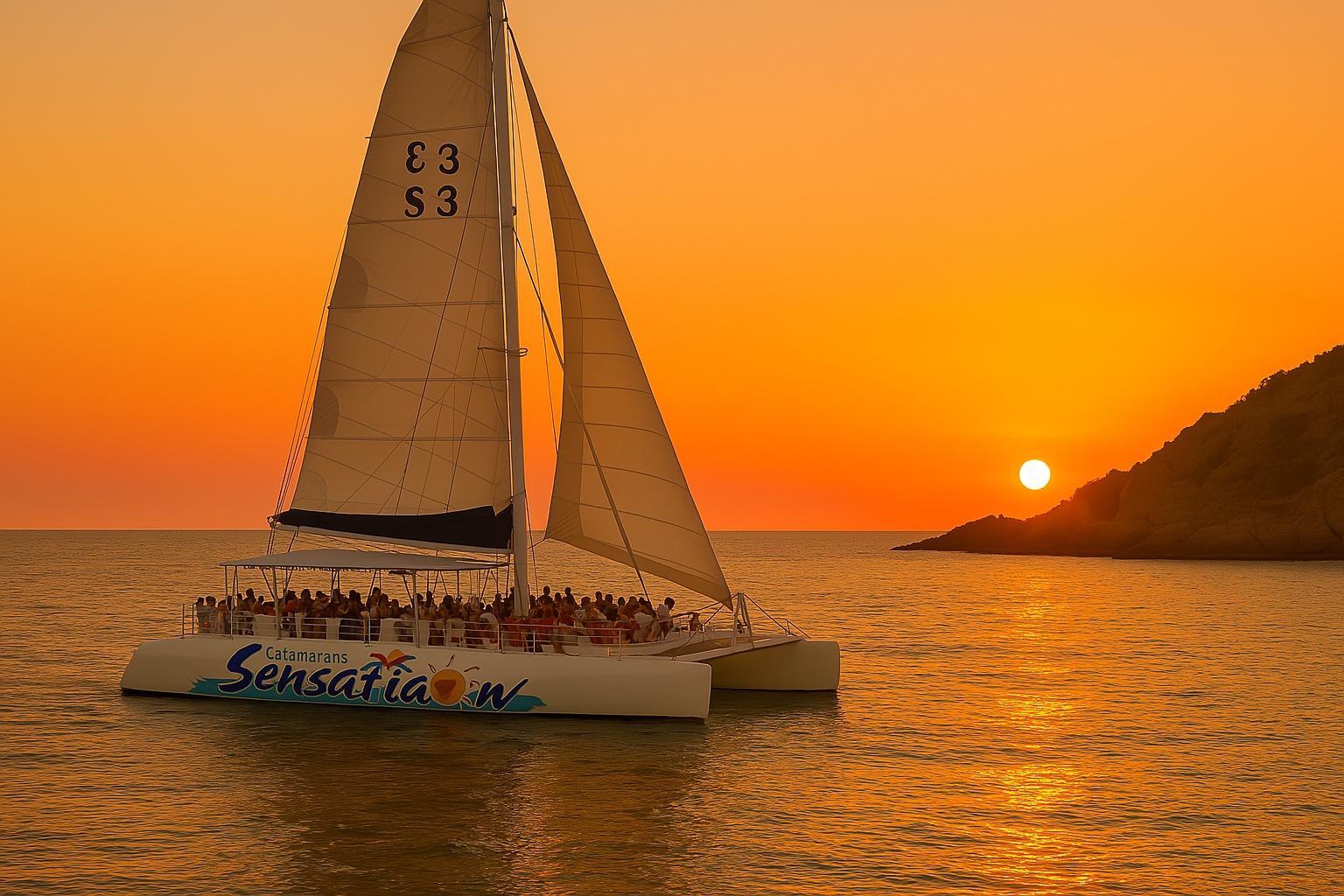
Peak season brings warm water and air temperatures near 28-30°C, along with the highest demand for boat trips, so booking a day ahead is common practice. Evening sunset cruises are especially popular during July and August.
Early autumn, like the current shoulder season, keeps sea temperatures around 22-24°C with noticeably fewer crowds at the harbor than midsummer. This is often considered an ideal balance of warm water and short queues at the pier.
Most recreational boat trip operators reduce or pause sailings due to cooler temperatures and rougher Mediterranean swells. A handful of operators still run limited coastal cruises on calm winter days.
Comparing two or three operator kiosks along the promenade before booking Lloret de Mar boat trips tickets can reveal price and schedule differences for the same route.
Lloret de Mar's harbor stood as a working fishing port through the 1800s, its wooden llaüts and barques hauling sardines and anchovies to Barcelona markets. The town's shipyards built coastal traders until the 1870s, when steam eclipsed sail and many families turned to the cork trade. A handful of fishermen continued launching nets from the beach through the early 1900s, their catch declining as industrial trawlers swept the Costa Brava seabed. By 1930 the port handled more pleasure yachts than working boats, catering to Barcelona families who summered in the new villa district above Fenals cove. The postwar decades brought package tourism and concrete hotels. In 1952 the municipality paved Passeig Jacint Verdaguer and installed the first commercial berths for excursion vessels. Early lloret de mar boat trips tours ferried day-trippers to Tossa de Mar and Blanes, running diesel launches that replaced the old rowing tenders. A 1967 harbor expansion added floating pontoons and a ticket kiosk, cementing the port's transformation into a leisure hub. Fishermen relocated to a small quay at the eastern breakwater, their llaüts now outnumbered twenty-to-one by glass-bottomed catamarans and jet-ski rental fleets. By the 1980s lloret de mar boat trips dominated the waterfront economy. Operators introduced sunset cruises, snorkeling stops at Cala Boadella, and coastal tours tracing the cliffs to Sant Feliu de Guíxols. The port authority rebuilt the main pier in 1991 after winter storms cracked its pilings. Today a dozen companies share the harbor, their schedules posted on digital boards where fish-auction notices once hung. A bronze plaque near berth three honors the last commercial fishing boat to operate year-round, the Sant Pere, decommissioned in 2003. The transformation erased centuries of maritime labor, leaving only the place names—Cala dels Frares, Punta de Fenals—to recall the coast's working past.
Lloret de Mar operates as a fishing and shipbuilding port, with wooden vessels serving Mediterranean trade routes.
Steam navigation displaces local shipyards; families shift to cork export and limited artisanal fishing.
Municipality paves the waterfront promenade and installs the first commercial berths for tourist excursion boats.
Harbor expansion adds floating pontoons and a permanent ticket kiosk, establishing lloret de mar boat trips as the port's primary function.
Winter storms damage the main pier; reconstruction modernizes berthing for larger tour catamarans and charter vessels.
The Sant Pere, Lloret's last year-round commercial fishing boat, is decommissioned and the fleet becomes entirely tourist-focused.
Lloret de mar boat trips work well for families since most departures leave right from Port de Lloret de Mar, so there is no long walk with tired kids before boarding.
Glass-bottom boats and short coastal cruises to Cala Canyelles or the Costa Brava coves suit kids from about 4 upward better than snorkelling or speedboat excursions, which usually set a minimum age around 8-10.
Prams roll easily along the flat Passeig Jacint Verdaguer to the boarding pontoons, but fold them before stepping onto the boat since most crews stow buggies in a small deck locker rather than letting them sit in the aisle.
Pick a seat mid-boat and low, away from the bow, and give kids a light breakfast rather than an empty or overly full stomach before boarding; most Lloret de Mar boat trips run under an hour, which limits queasiness for younger children.
Public toilets are available at the port promenade before boarding, but few excursion boats have onboard baby-change facilities, so change infants beforehand.
Arrive in the 09:30–11:00 window to book calmly and let kids explore the harbor before departure, then plan a quieter, low-key afternoon since the sun and motion of a boat tour tire young children out faster than a normal sightseeing tour.
Children's life vests are provided free on board but sizes are limited, so families with toddlers should ask the operator in advance to confirm a small enough fit.
The port area along Passeig Jacint Verdaguer is lined with seafront restaurants and chiringuitos, so you rarely need to walk far before or after lloret de mar boat trips — most visitors just pick a terrace facing the water and time their meal around the boat schedule.
Catalan rice and seafood dishes with harbor views; fills up fast around 13:30 so arrive early if you want a table before an afternoon departure.
Popular for grilled sardines and patatas bravas; a solid quick stop after a lloret de mar boat trips tour when you just want something fast and casual.
Slightly more formal, known for fresh fish and paella; better suited to a relaxed post-trip lunch than a rushed pre-departure bite.
Casual beachside snacks and cold drinks, ideal for a light breakfast before boarding during the recommended morning arrival window.
Long-standing local spot for Catalan classics like suquet de peix; worth the short walk if you have time after returning from the harbor.
Everything you need to know for your journey
Photography is allowed freely on deck and along the promenade, though tripods may be restricted on smaller boats to keep walkways clear.
Light, quick-dry clothing and flat non-slip shoes are recommended, with a swimsuit underneath if your route includes a swim stop.
Most operators allow free rescheduling or a full refund if you cancel 24 to 48 hours before departure, though exact terms vary by company.
The Sa Caleta viewpoint, Church of Sant Romà, and Fenals Beach are all within a 15-minute walk of the harbor and pair well with a boat excursion.
A restored early 20th-century tower-house on Sa Caleta cove, now used as a cultural exhibition space overlooking the sea.
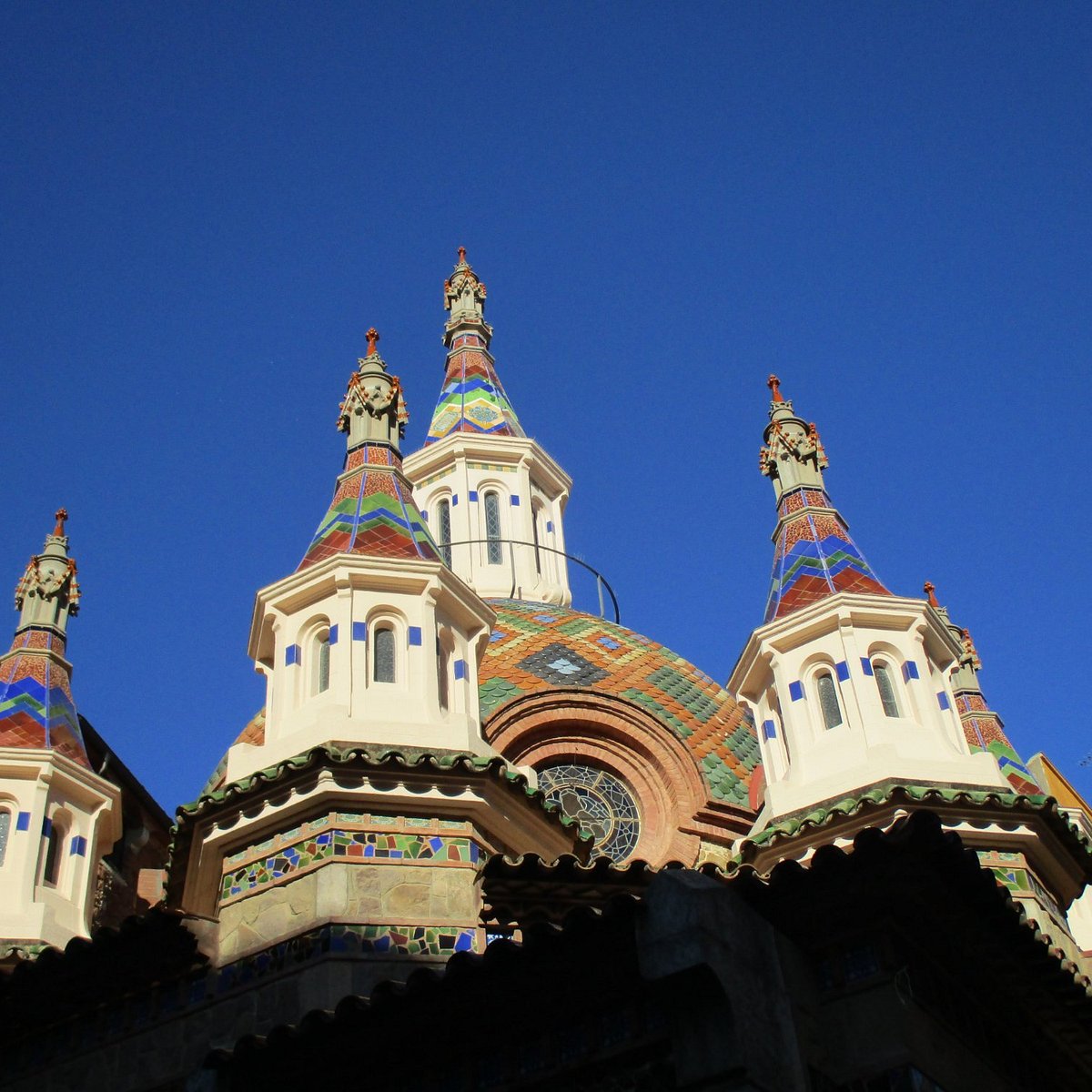
A parish church known for its colorful glazed-tile domes blending Gothic and Modernista styles.
A cliffside walking path with views over the rocky Sa Caleta cove and the statue of the fisherman's wife.
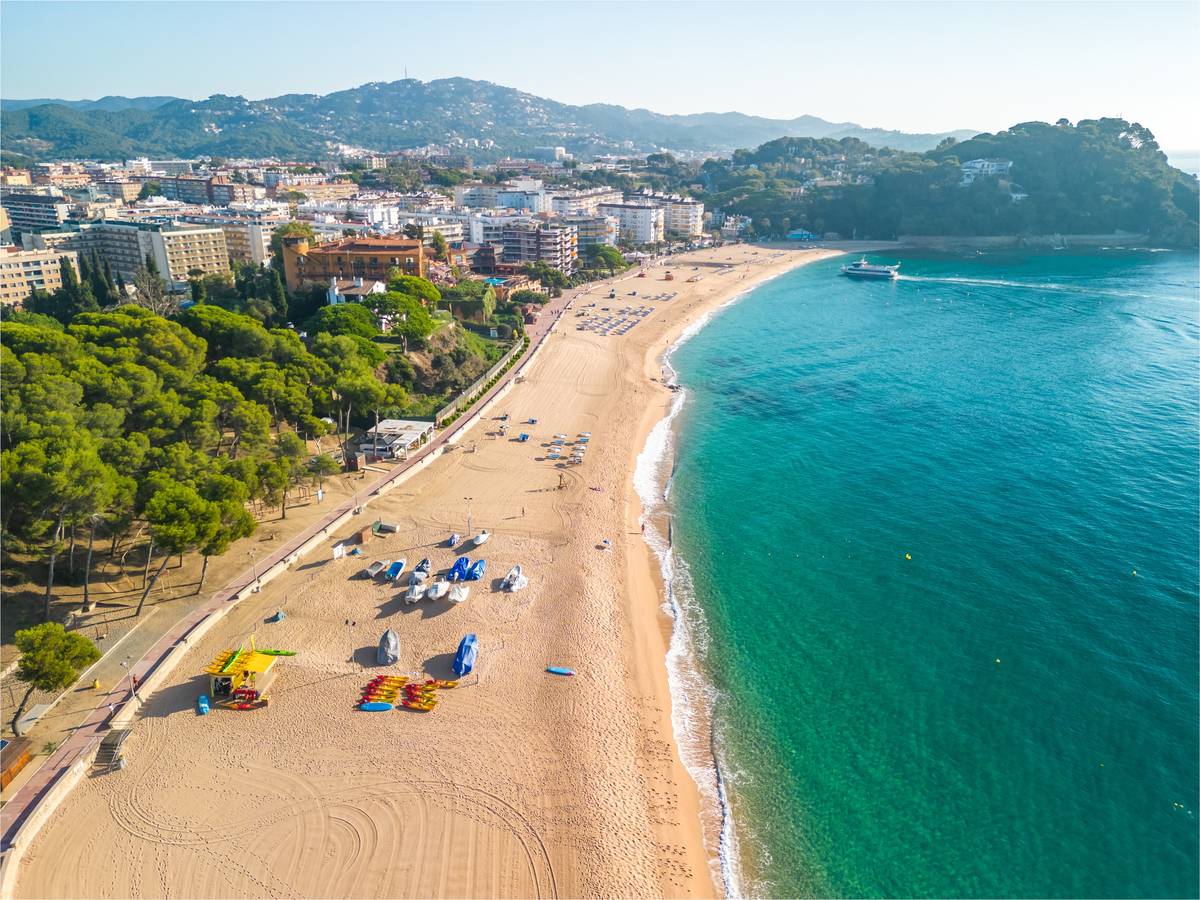
A quieter sandy beach west of the main harbor, backed by pine-covered hills.
A Modernista cemetery featuring Art Nouveau tombs designed by architects from the Gaudí era.
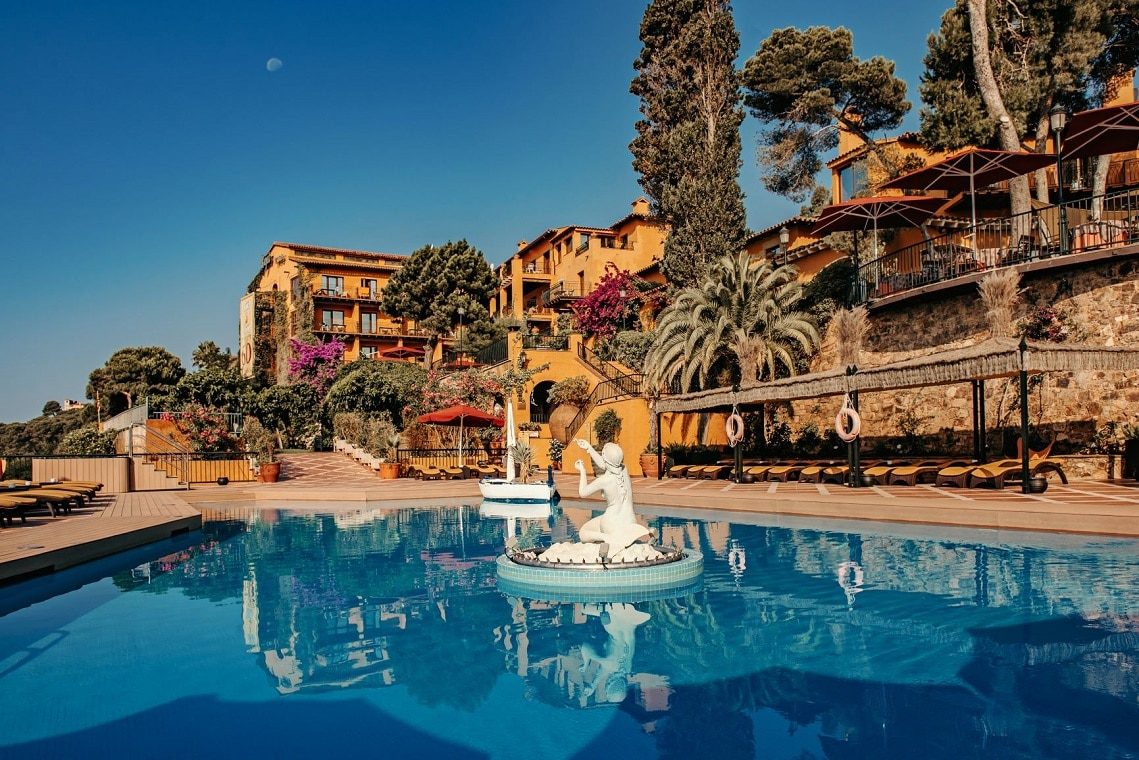
A beachfront hotel on Fenals Beach with gardens and sea-view terraces overlooking the coastline.
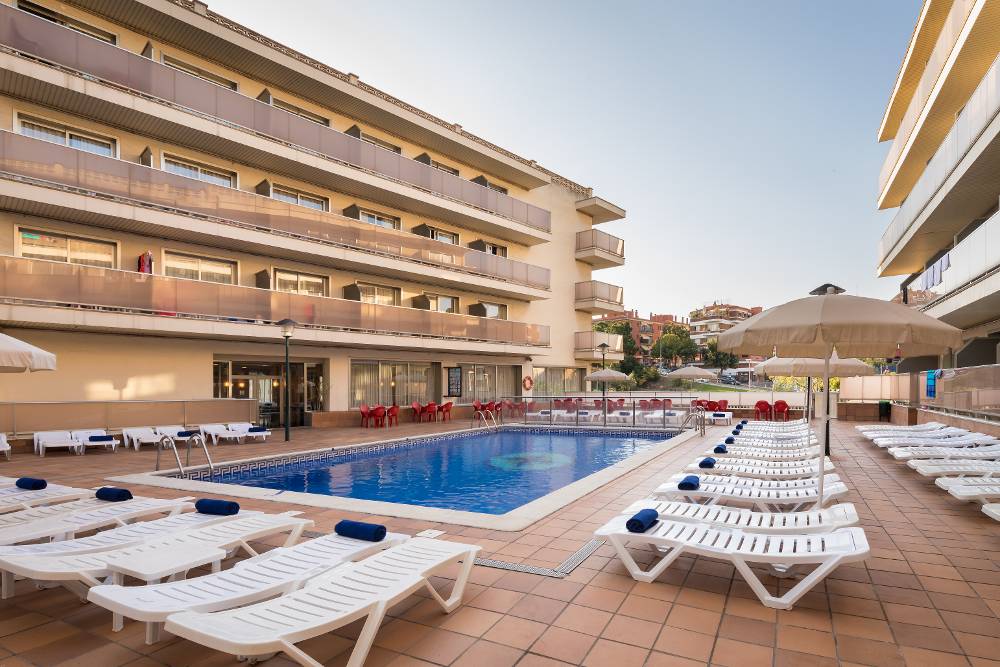
A seafront hotel near the harbor within easy reach of the main promenade and boat piers.
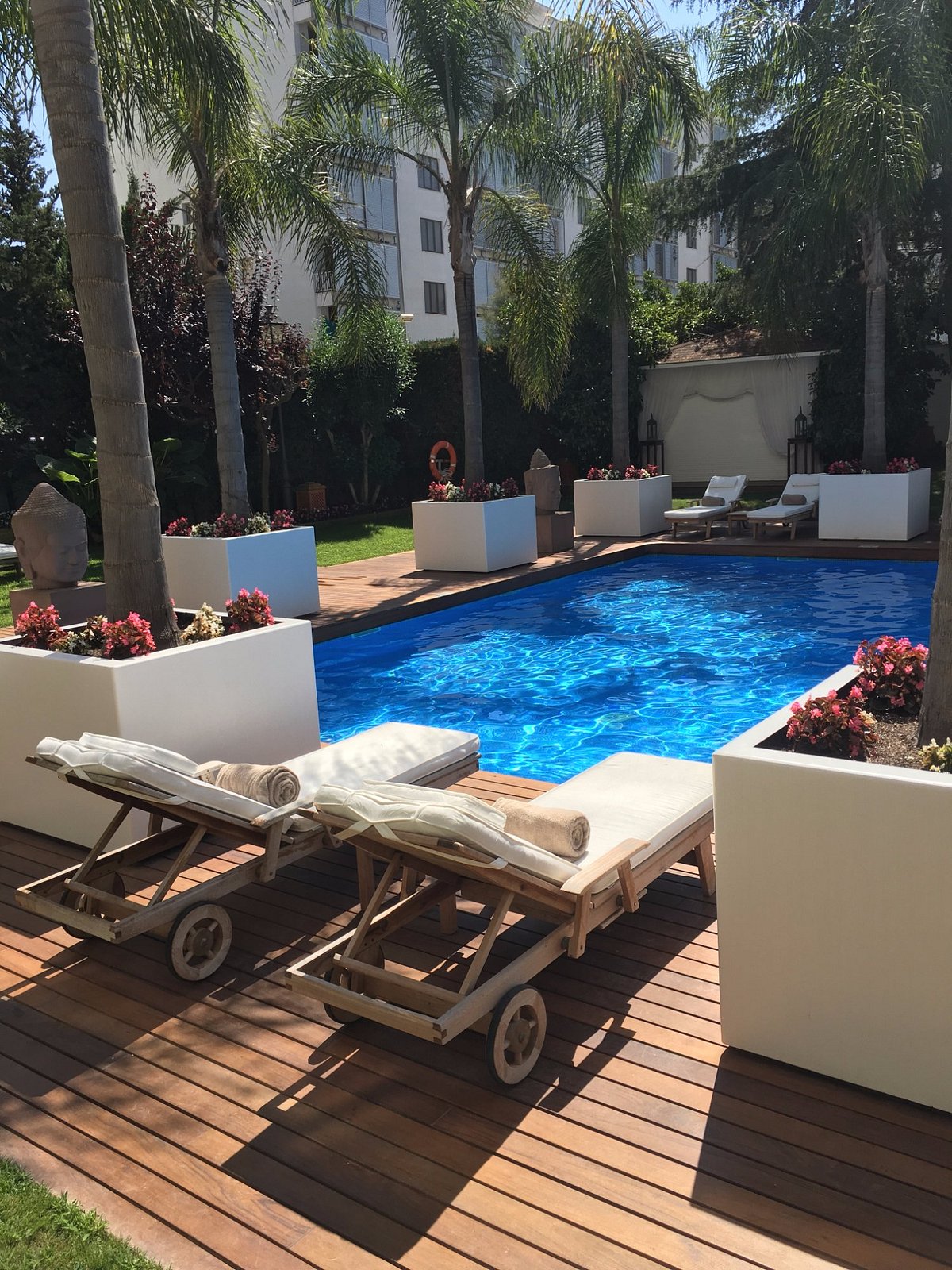
An adults-only luxury resort set slightly inland with spa facilities and landscaped grounds.
Guesthouses and mid-range hotels cluster around the harbor area, offering short walks to boat departure points.
A simple, family-run guesthouse a short walk from the beach and central promenade.
Join thousands of happy travelers who have discovered this incredible experience
Book Your Experience Now